
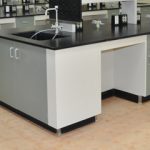
Stainless steel
Painted steel is the standard in the lab industry due to its strength and durability. Its heavy-duty construction is capable of supporting heavy loads. Extensive door and drawer configurations provide a variety of layout options to maximize storage. Facilities requiring superior protection against rust, corrosion and moisture the casework can also be constructed with a Sigma Barrier Coating. Colors can be selected from a range of Standard Colors (Custom colors are also available).
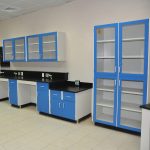
Inset Design
A traditional design with the doors and drawers set into the cabinet frame. The full range of cabinetry from base cabinets to tall floor mounted cabinets is available in the Inset design. Available in powder coated steel, stainless steel and wood veneer fronts.
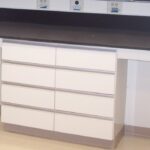
Overlay Design
A sleek cabinet design whereby the cabinet door or drawer front covers the entire face frame so that only the cabinet door is seen with no part of the face frame visible. The full range of the cabinetry from base cabinets to tall floor mounted cabinets is available in the Architectural Overlay design.
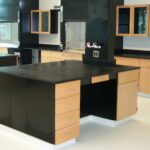
Metal body with wood front
Combine the durability of Painted Steel or Stainless casework with the aesthetic warmth of wood fronts. Wood fronts are available in both inset and overlay design. Choose from 20 standard powder coating colors, a wide range of quality veneers in a multitude finishes. To compliment the cabinet a wide selection of handles and hinges are available.
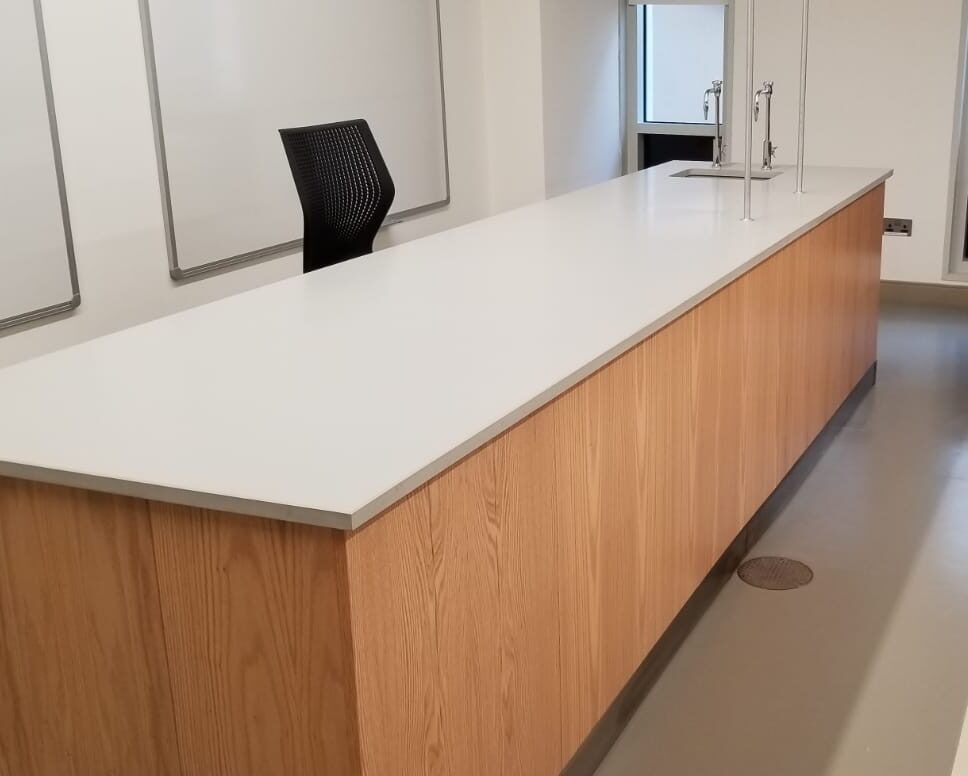
Laminated Plywood
Laminated plywood is widely utilized in the furniture industry and serves as a reliable core material for laboratory furniture. Compared to chipboard and MDF, plywood typically offers greater strength and improved resistance to moisture. The lamination process, which fuses a laminate layer onto the plywood surface, enhances its durability and creates a solid outer finish suitable for laboratory use. This laminated surface provides resistance to mild chemicals, scratches, and everyday wear.
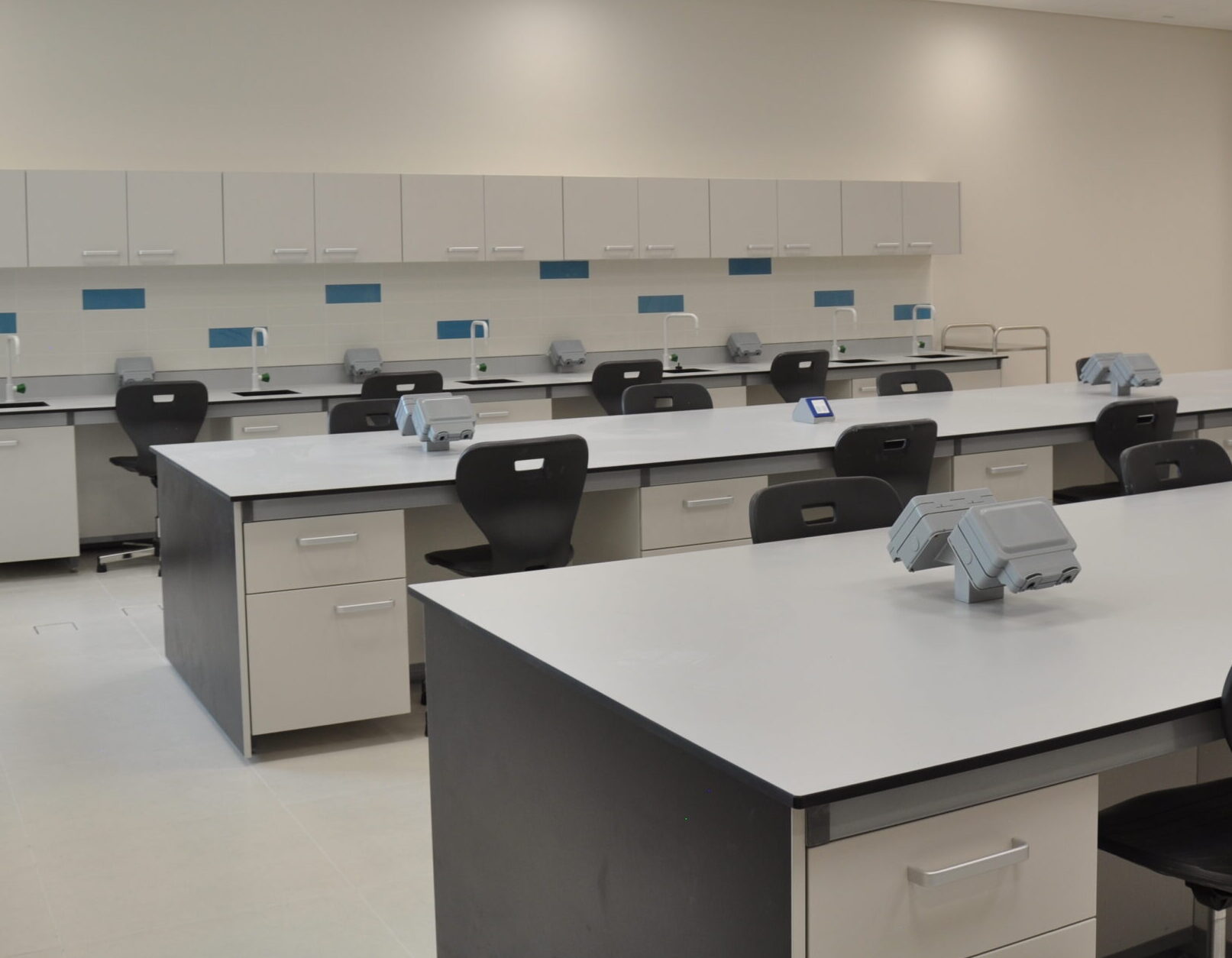
Laminated MDF
Laminated MDF is a cost-effective material widely used in furniture manufacturing. It offers slightly improved properties compared to MFC. While it provides some level of water resistance, extended exposure to moisture can cause it to weaken and become susceptible to damage.
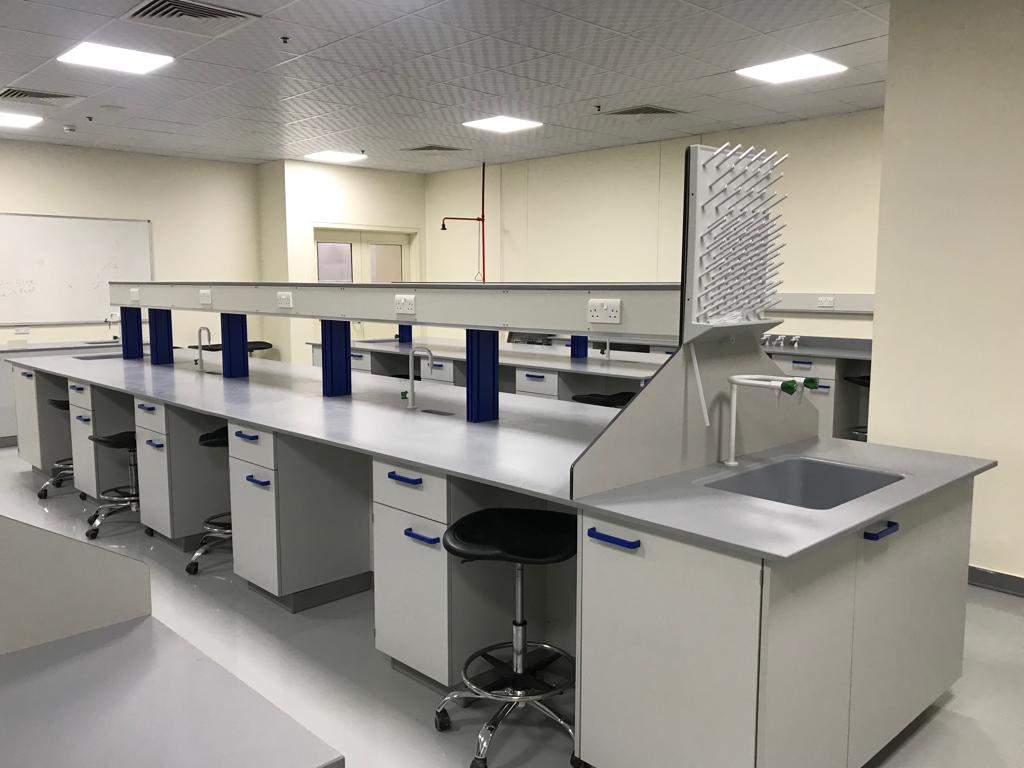
Melamine Faced Chipboard (MFC)
MFC is most common core material used in manufacture of furniture. The melamine coating on the surface of MFC make it an economical option for laboratory furniture. MFC surface is versatile and resistant to scratches and liquid stains. MFC surface is not suitable for labs that use harsh chemicals or that have wet and humid environment.
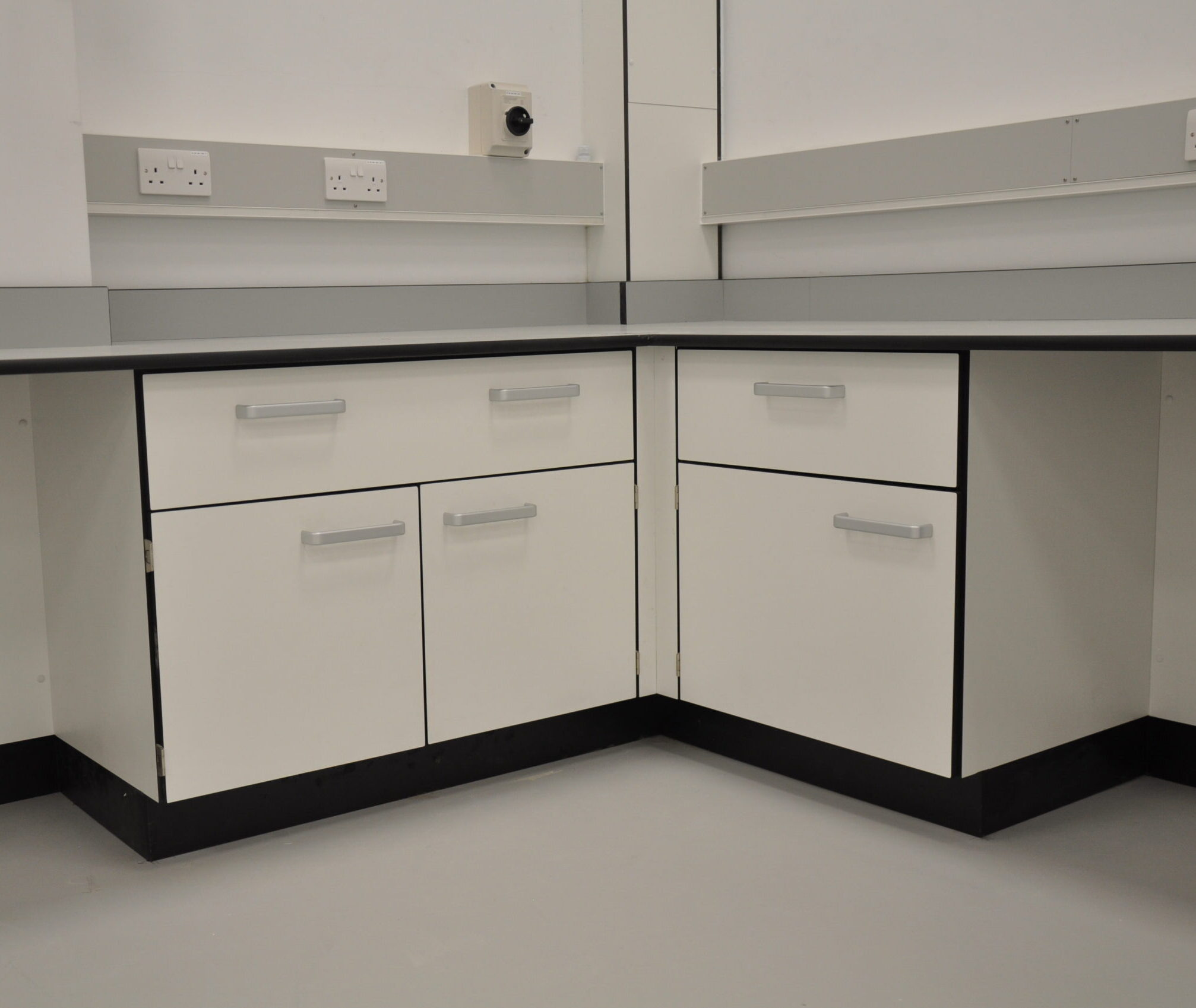
HPL / Phenolic
High Pressure Laminate (HPL), also known as phenolic resin, is a premium material commonly used in laboratory furniture due to its superior performance. It is produced by compressing layers of resin-impregnated paper under high heat and pressure, resulting in a solid, durable surface. HPL offers excellent strength, water resistance, and long-lasting durability, making it well-suited for demanding lab environments. Both standard-grade and chemical-resistant variants are available for different laboratory applications.
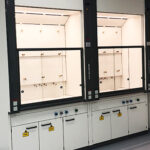
Bench Top Fume Hood
A Bench Top Fume Hood is a space-saving and adaptable laboratory safety unit designed to shield users and the surrounding environment from hazardous fumes, vapors, and chemical pollutants. It is commonly installed on a supporting frame with storage cabinets beneath. The hood features a sliding safety glass sash that provides clear visibility while ensuring user protection. Bench top fume hoods are widely utilized in general chemical testing, laboratory research, and experimental procedures. LEAP offers bench top fume hoods in a range of standard dimensions as well as customized configurations to meet specific laboratory requirements.
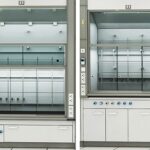
Low Height Fume Hood
A Distillation Fume Hood is a specially designed laboratory enclosure developed to ensure safe and efficient distillation procedures. Unlike standard fume hoods, it features an increased interior height and a lower work surface to accommodate tall distillation apparatus. The hood is fitted with a dedicated distillation rack to securely support and stabilize distillation equipment during operation. Distillation fume hoods are widely used in chemical and pharmaceutical laboratories, quality control testing for consumer products, forensic investigations, and applications within the petroleum industry.
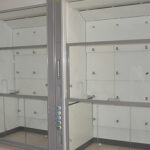
Walk-in Fume Hood
Walk-in Fume Hoods are large-scale containment units engineered to protect the surrounding environment from harmful fumes, odors, dust, and airborne particles. They provide a dedicated enclosed workspace, making them ideal for housing bulky equipment or mobile workstations. These hoods are fitted with either vertical or horizontal telescopic sash systems for flexible access and operation. Available in multiple standard dimensions, walk-in fume hoods can also be custom-designed to meet specific application and customer needs.
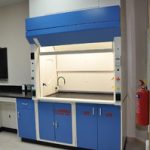
Conventional
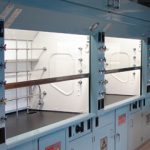
The Pro Series hoods are manufactured with a durable double wall construction. Standard features include a chain and sprocket or stainless steel cable sash system, louvered by-pass panel, stainless steel duct collar and lower airfoil. All Pro Series hoods come in bench, extra tall bench, walk-in, and ADA heights, with several sash and liner options. Designs are available for HOPEC, perchloric acid, radioisotope, demonstration, or fully accessible (ADA) applications. All hoods can be configured for either variable air volume (VAV) or constant air volume (CAV) systems.
High Performance
The SafeGuard™ fume hood represents a balance of key safety elements and new design. The SafeGuard™ fume hood was developed to meet the challenging safety, energy conservation, and operational requirements of today’s laboratory. The new contemporary design creates a stylish image for today’s modern lab environment. The hood is designed for 60-100 feet per minute face velocities, is UL 1805 classified and meets ASHRAE guidelines. The RFV2™ (reduced face velocity) fume hood offers excellent containment performance and energy efficiency at lower face velocities than conventional fume hoods. This fume hood has been tested to both standard and modified ASHRAE procedures at face velocities as low as 50 fpm. The RFV2™ hood design provides the fume hood operator with a secure and reliable operating environment while providing considerable capital and operating cost savings. Features, such as the Downwardly Vectored Upper By-Pass, Downflow Rear Baffle and Performance Sash Handle work together to minimize the turbulence and increase airflow.

Floor Mounted
The Pro Series floor mounted hoods are manufactured with a durable double wall construction. Standard features include a chain and sprocket or stainless steel cable sash system, louvered by-pass panel, stainless steel duct collar and lower airfoil, several sash and liner options are available. Floor mounted fume hoods are designed to meet most laboratory constant volume (CAV) requirements. These fume hoods are intended for tall or large apparatus. They also allow roll-in equipment, mobile tables or robots to be used inside the fume hood.
Teaching Fume Hoods
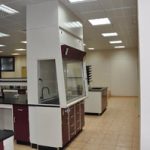
When complete visibility is required, Mott offers various models of glass-sided fume hoods that are ideal for higher education settings. It allows students to view demonstrations or the teacher can observe students using the hood. Double-faced island fume hoods have full viewing side and back glass panels, single-faced fume hoods have full viewing side windows with an optional glass back panel. Hoods are UL 1805 listed, tested to ASHRAE 110 standards and are designed for multiple applications.
The adaptable Optima™
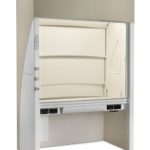
The adaptable Optima™ fume hood allows for personalized ergonomics, changing lab processes and is designed to meet demanding safety standards. With its sleek and stylish design the Optima™ fume hood brings versatility to a whole new level. Push button height adjustable work is adjustable from 30″” to 36″” through a motorized electro-hydraulic mechanism, which allows for the accommodation of different procedures, types of equipment, and multiple users, making it ideal for ADA requirements. This hood boasts an automatic self-lowering sash system, low profile hinged airfoil with a spill containment trough and chain and sprocket sash system. The Optima™ fume hood is a self-supporting structure, which allows for mobile or slide-in cabinetry beneath to be relocated from hood to hood or throughout the lab. Offered in a range of standard widths, available with a top hung frameless combination sash and a choice of interior liners; this hood is appropriate for a wide variety of applications. Suitable for use in either Constant Volume or Variable Volume applications and designed for 80-100 feet per minute face velocities
Epoxy Resin
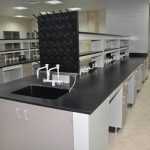
Epoxy Resin worktops are molded in large monolithic sections and custom fabricated to your specification. The unique molding process includes a special curing stage that ensures complete chemical reaction throughout the material to create a uniform worksurface of the highest quality. Almost any facility’s worksurfaces can be configured using the components found in any of the styles.
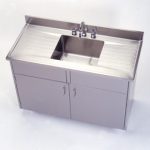
Painted Steel
The worktop is made from a 1.5 mm thick steel sheet bonded to a base panel and features raised edges on all four sides. Its thickness is 30 mm without the raised edges and 34.5 mm including them. Acid-resistant stainless steel is composed of 12% chromium and 8% nickel, along with an additional 2–3% molybdenum. This composition enhances its resistance to corrosion, particularly in acidic and low-oxygen environments. The material is also hygienic, easy to maintain, and highly durable over time.

Ceramic
The worktop is made of solid ceramic with a glazed, glossy finish. Its thickness measures 28 mm without raised edges and 32 mm with raised edges. Ceramic is produced from a blend of sand, feldspar, clay, and natural pigments, which are compressed and fired at temperatures of around 1200°C. This process creates a completely sealed surface, making the material highly hygienic and easy to maintain. Ceramic worktops are highly resistant to scratches and heat, and they do not absorb liquids, making them ideal for demanding environments.
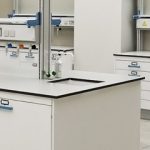
Phenolic Resin
Phenolic resin is produced by compressing layers of resin-impregnated paper under high heat and pressure. The outer surfaces are formed using colored laminate paper treated with melamine, resulting in a highly durable and easy-to-clean finish.
TOPLAB®PLUS by TRESPA®
Sinks
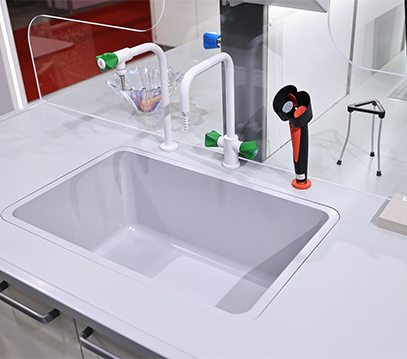
Epoxy DropIn Sinks are the industry standard due to the ease of installation and the safety and durability of the radiused interior and exterior edges.
When there is a need for a dual sink configuration, Double DropIn Sinks are far less expensive and easier to install than glued together undermount pairs.
Several shallow basins and graduated depth ADA DropIn Sinks to accommodate lab users with special needs and help conform to Americans with Disabilities (ADA) guidelines. are also available.
Polypropylene sinks have a pleasant design, are easy to install and are resistant to most chemicals. Polypropylene is a user-friendly material, as glasswork will not break easily due to the relatively soft surface of polypropylene. The material is also very easy to clean.
The sinks are heat-resistant up to a temperature of approx. 100°C and suitable for drop-on as well as for undermount installation.”
Water Fixtrues
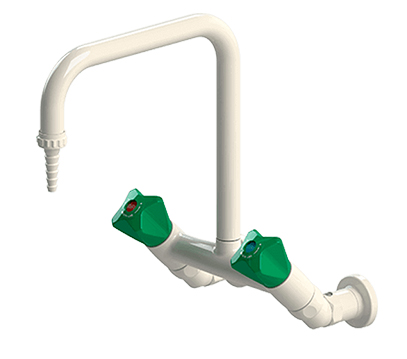
Laboratory Water Fixtures are available in a wide range of styles and designs to suit different laboratory applications. These include deck-mounted, panel-mounted, gooseneck, swivel, rigid, vacuum breaker-equipped, and sensor-operated models. Faucets can be configured for cold water, hot water, mixed hot and cold water, or purified water supply. Based on the application requirements, the fixtures may be installed on sinks or connected directly to laboratory equipment. They are offered in both chrome-plated and powder-coated finishes for durability and aesthetic preference.
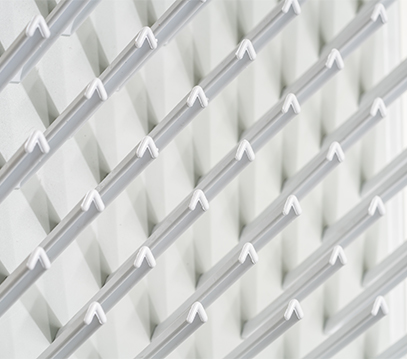
Peg Board
Laboratory Pegboards are specialized drying racks commonly used in laboratories for drying glassware such as beakers, test tubes, and other equipment. Their open design allows for fast, safe, and organized drying while keeping all items clearly visible and easily accessible. This helps improve workflow efficiency and reduces the risk of misplaced equipment. [Labsol](https://www.labsolgroup.com?utm_source=chatgpt.com) offers a wide selection of pegboards made from materials such as polypropylene, epoxy-coated stainless steel, and other durable finishes, available in different sizes and configurations to meet diverse laboratory requirements.
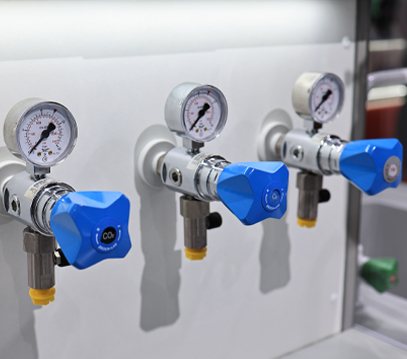
Gas Fixtures
Laboratory Gas Fixtures are available in a variety of configurations and are manufactured using high-quality materials in compliance with industry standards, making them suitable for modern laboratory environments. Comprehensive solutions are offered to meet specific laboratory requirements and support different media applications, including fuel gases, technical gases, high-purity gases, vacuum, steam, and more. These fixtures are available in both chrome-plated and powder-coated finishes for enhanced durability and appearance.
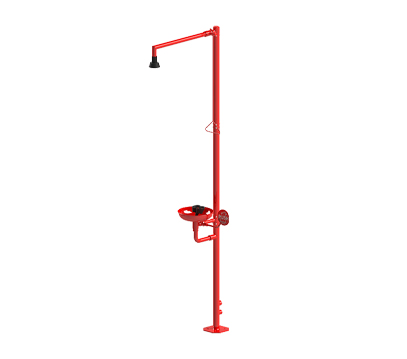
Lab Safety
Laboratory Safety Equipment plays a vital role in maintaining a safe and secure laboratory environment for both personnel and surrounding areas. Essential emergency safety solutions commonly used in laboratories include emergency showers, eyewash stations, handheld eyewash units, fire extinguishers, and other protective equipment. [Laboratory Solutions](https://www.labsolgroup.com?utm_source=chatgpt.com) offers a comprehensive range of laboratory safety equipment designed to meet the safety requirements of modern laboratories across various applications.
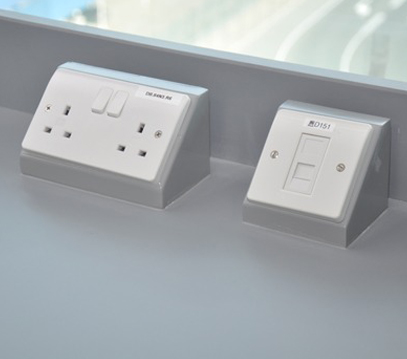
Electrical Fixtures
Laboratory Electrical Fixtures provide flexible and efficient power solutions tailored to modern laboratory requirements. Depending on user needs and overall laboratory design, these fixtures can be integrated into pre-wired electrical raceways with optional LED lighting systems or installed in individual pedestal boxes mounted directly on the work surface. All electrical fittings are manufactured in compliance with current EN standards for 220/240V AC, 50/60Hz power supply. For specialized applications, these fixtures are also available in weatherproof, waterproof, and ATEX-certified models to ensure safety and reliability in demanding laboratory environments.
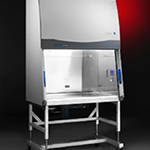
Laminar Flow
Laminar Flow Clean benches are available with horizontal laminar flow or with vertical laminar flow. Both provide a HEPA-filtered environment that protects the sample from airborne contamination. Clean benches do not offer personnel protection.
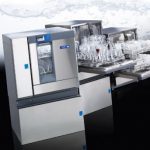
Glassware Washer
Glassware Washer with specialized features to meet the laboratory’s demand for superior cleaning and convenience: SteamScrubber Glassware Washers with top and bottom racks that accommodate accessory inserts for a wide variety of glassware shapes and sizes, primarily beakers and other wide-mouth glassware. FlaskScrubber Glassware Washers with a spindle rack that holds up to 36 pieces of primarily narrow-necked glassware such as volumetric flasks. FlaskScrubber Vantage Series Glassware Washers with additional monitoring and control features beneficial to contamination-sensitive research. ScrubAir Pipette Washer/Dryers clean pipettes using 98% less water and 85% less time than traditional methods.
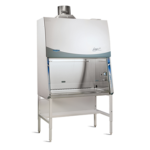
BIO Safety Cabinet (BSC A2)
The Purifier Logic+ Class II, Type A2 Biosafety Cabinets represent advanced laboratory equipment that ensures comprehensive protection. Specifically, they safeguard personnel, products, and the environment during work with hazardous materials. Moreover, these cabinets are specifically engineered to meet the stringent safety requirements of laboratories handling hazardous biological agents. They are ideal for applications requiring Biosafety Level 1, 2, or 3 containment. In addition, these cabinets provide a high level of protection against airborne contaminants. They effectively contain harmful particulates such as pathogens, antineoplastic drugs, genetic material, and even hazardous substances like asbestos.
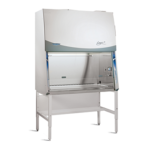
Bio Safety Cabinet (BSC B2)
All Purifier Logic+ Class II, Type B2 Biosafety Cabinets are NSF-Listed, ensuring they meet the highest safety and performance standards. This laboratory equipment is essential in labs that require strict containment protocols. It provides both safety and efficiency for researchers working with hazardous substances.
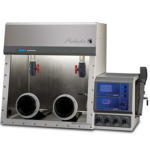
Glove Box
Protector Combination Glove Boxes provide inlet and outlet HEPA or ULPA filtration and a leak-tight physical barrier to protect the operator from exposure to potentially hazardous materials and perform work with contamination-sensitive materials under vacuum or in an inert environment.Protector Combination Glove Boxes are specialized laboratory equipment designed to provide a safe, controlled environment for handling hazardous or contamination-sensitive materials. These glove boxes feature inlet and outlet HEPA or ULPA filtration, ensuring that air entering and leaving the box is thoroughly filtered to remove harmful particles. The system also includes a leak-tight physical barrier, offering an additional layer of protection for the operator from exposure to potentially dangerous substances.